


I wasn’t expecting DeFi wallets to feel like personal tech therapy. Here’s the thing. The way transaction simulation has changed my behavior is subtle but real. Whoa, seriously, it cut down my gas grief and saved me from dumb mistakes on complicated protocol flows. At first I shrugged, but then my instinct said ‘wait’ and I dug deeper.
DeFi is thrilling, messy, and unforgiving. You can lose funds by a missed approval or a taxed swap, or by interacting with a contract that looks fine but hides a reentrancy trap. Initially I thought UI polish was the main battleground, but then I realized simulation matters more. Actually, wait—let me rephrase that, because both matter. On one hand users need clear UX, though actually transaction-level simulation gives them a second brain before they sign.
Simulation isn’t just replaying a tx. It models state changes, gas, slippage, and permission scopes in the exact context of the chain and contract. That means you can see whether a swap will revert, whether a permit will fail, or if a router will route through a high-slippage path. My instinct reacted faster when I saw the exact state delta. On-chain context is everything—without it simulations are guesswork, and guesswork can be costly.
Once, I almost sent tokens to a contract with a hook that siphons dust. Hmm… I almost did that. The simulation flagged a pending approve-to-spend that would have allowed a router to move funds beyond the swap I intended, and I cancelled. That saved me maybe $200 and a headache in tax reporting. I’m biased toward wallets that put this front and center.
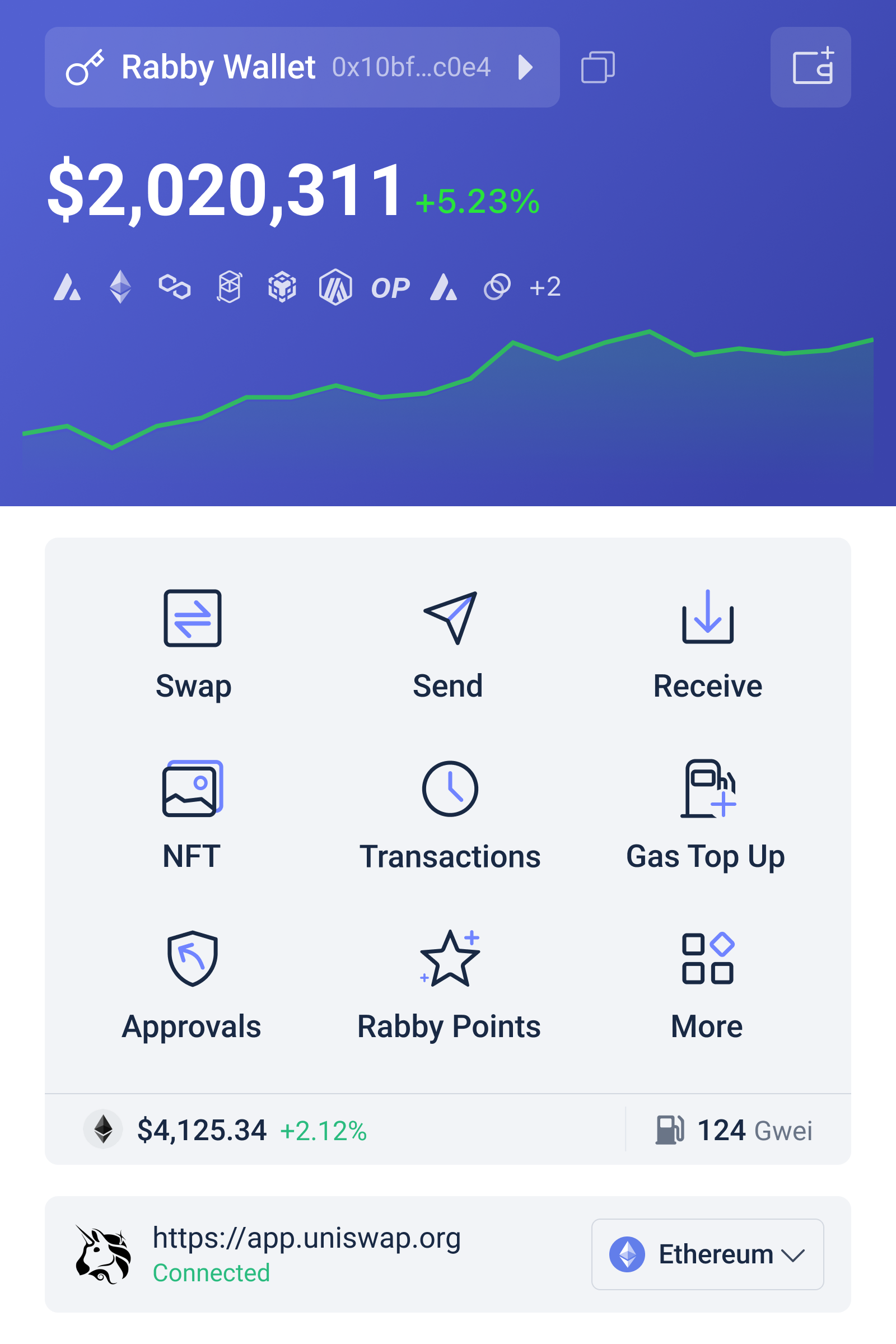
Approvals are a quiet emergency. They sit in plain sight but act like backdoors when you hand unlimited allowance to a sloppy contract. So, wallets that let you simulate an approval’s effect and then easily revoke or set one-block allowances reduce risk materially. Seriously? Yes. A deeper control plane—timed approvals, per-token caps, and simulated post-approval consequences—changes the game.
Check this out—wallets are evolving into small safety engines. I’ll be honest: when I first used a smart wallet I didn’t expect much. It surprised me with transaction simulation that shows the exact state deltas and gas spend before I even hit confirm. That made complex DeFi paths feel less like rolling dice and more like strategy. Something felt off about other wallets that only show nonce and gas; this felt different.
Where rabby wallet Fit Into This Shift
When a tool surfaces clear, actionable simulation data before signature, people change behavior; they pause, they check, and they avoid costly mistakes—so check out rabby wallet if you want that kind of guardrail. It integrates protocol adapters and simulates multi-step flows so you can see the whole move, not just a single call. I like how it surfaces approvals, token paths, and a preview of post-execution balances without needing a PhD. In practice that translates to fewer “oh no” moments and more confident trades, especially if you’re hopping between protocols at odd hours—I’ve tested it at 2 AM in a cramped NYC apartment, no lie.
Integration with dApp routers and specialized protocol adapters matters. When a wallet understands a protocol’s steps it can simulate composite moves—flash-loan-like flows, multi-hop swaps, and margin adjustments—and warn you about reverts or unfavorable routes. On one hand, that requires deep engineering. On the other hand, it relieves the user of some cognitive load, and that trade-off is worth the development cost in my book. I’m not 100% sure it’s perfect yet—there are edge-cases with gas token refunds and layer-2 bridging twists—but it’s compelling.
Governance attacks and malicious contract upgrades are tricky. A wallet that simulates the post-upgrade state or previews proposal effects gives voters a head start. Yes, it’s still probabilistic, and yes, there will be unknowns, but better information beats none. My instinct says we should make simulations part of onboarding for new DeFi users. Wow, adoption takes both trust and education, and wallets that nudge users toward safer behaviors will win.
Developers must balance data collection and privacy. Simulating requires node access, mempool visibility, or a light client; each approach has trade-offs in latency, privacy, and accuracy. Initially I thought a centralized simulator would be simplest, but then I realized decentralization of simulation state matters too. Actually, wait—centralization speeds UX but can leak intent. On the flip side, fully client-side simulation increases trust but burdens the device and complicates UX.
So what should you do? Use wallets that simulate, yes, but also check permissions, and learn to read a simulated state diff. Practice on mainnet with fumbles that don’t cost you much, and use testnets for riskier flows. Okay, so check this out—if you’re serious about DeFi, treat your wallet as your operations center, not just a key-store. This mindset shift is simple but powerful, and it keeps you in control.
FAQ
What exactly is transaction simulation?
It’s a pre-execution run that shows state changes, gas costs, and potential errors so you can preview outcomes. Think of it as a dry run—very very important before big moves.
Does simulation guarantee safety?
No. It reduces uncertainty but doesn’t remove it. There are mempool dynamics and oracle moves that can change results between simulation and inclusion. Still, it’s a massive improvement over blind signing.
Will simulation slow my wallet down?
Depends on the approach. Client-side sim might add CPU work, while centralized sim adds latency and privacy trade-offs. Pick a wallet whose trade-offs align with your priorities—privacy, speed, or trust model.